Why Recycle?
06 January 2025
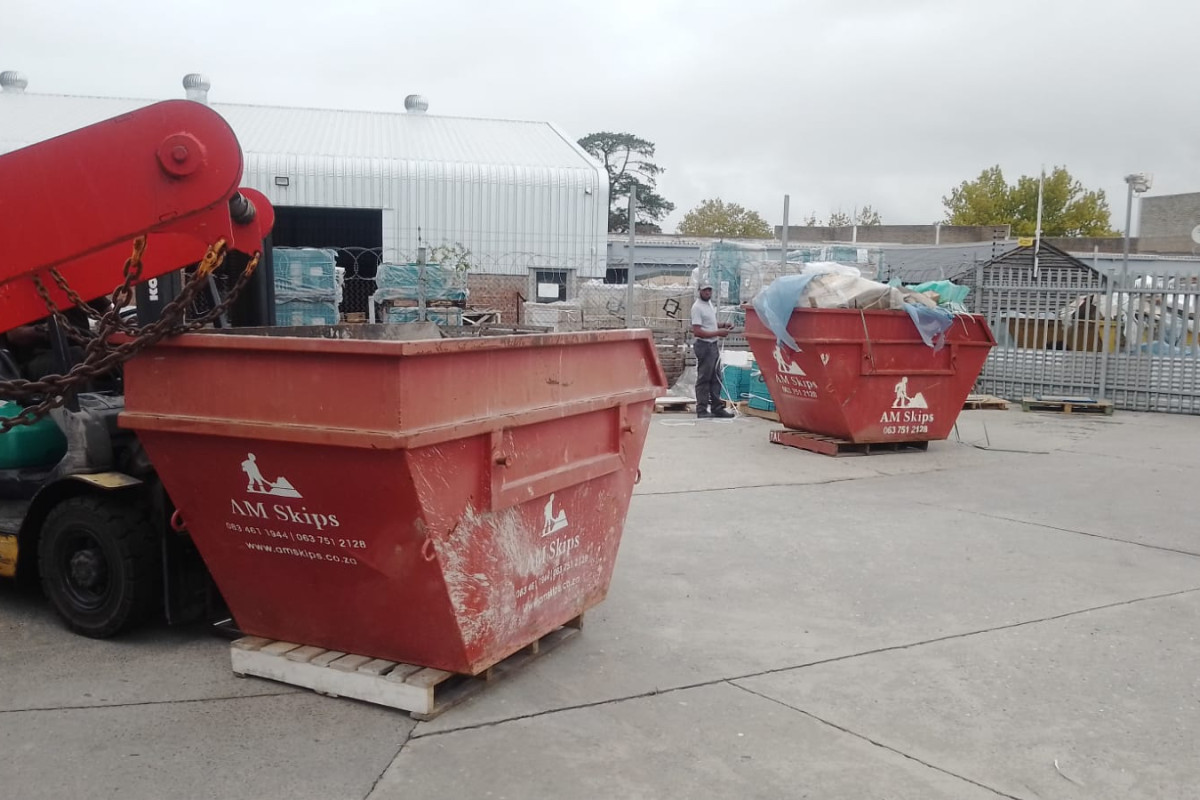
Recycling is important for several environmental, economic, and social reasons. Here are the key benefits of recycling:
1. Conservation of Natural Resources
- Recycling reduces the need to extract, refine, and process raw materials, which helps conserve natural resources like water, minerals, and timber.
- For example, recycling paper saves trees and forests, while recycling metals reduces the need for mining.
2. Energy Savings
- Manufacturing products from recycled materials uses significantly less energy than producing them from virgin materials.
- For instance, recycling aluminum cans saves up to 95% of the energy required to make new aluminum from bauxite ore.
3. Reduction of Waste in Landfills
- Recycling minimizes the volume of waste that ends up in landfills and incinerators.
- This helps reduce the environmental hazards associated with waste disposal, such as leachate contamination and greenhouse gas emissions.
4. Pollution Reduction
- Recycling decreases air and water pollution caused by manufacturing processes using virgin materials.
- It also helps lower emissions of greenhouse gases, contributing to the fight against climate change.
5. Economic Benefits
- Recycling supports a green economy by creating jobs in collection, processing, and repurposing industries.
- It also saves money for municipalities and businesses by reducing waste disposal costs.
6. Sustainability and Circular Economy
- Recycling is a cornerstone of the circular economy, where materials are kept in use for as long as possible, reducing the demand for finite resources.
7. Encourages Innovation
- Recycling challenges companies and researchers to find new uses for recycled materials and develop sustainable technologies.
8. Environmental Stewardship
- By recycling, individuals and communities take an active role in preserving the planet for future generations.
Recycling isn’t just about reducing waste—it’s a way to rethink how we use resources and ensure a more sustainable future.
