
21 May 2025
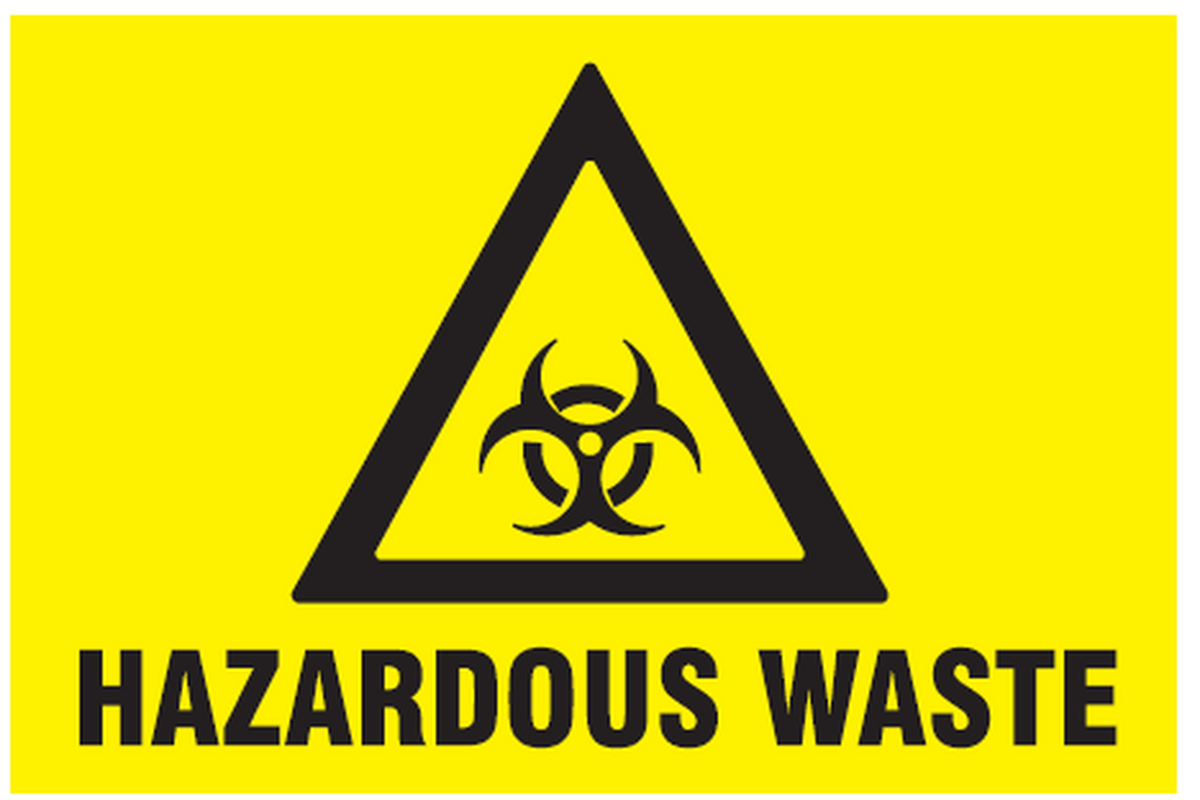
Toxicity – Harmful or fatal when ingested or absorbed (e.g., pesticides, mercury).
Corrosivity – Can corrode metals or destroy living tissue (e.g., acids, bases).
Reactivity – Can explode or release toxic gases when mixed with water or other substances (e.g., lithium batteries, some chemicals).
Ignitability – Easily catches fire (e.g., gasoline, alcohol).
Industrial chemicals
Used motor oil
Paints and solvents
Pesticides
Batteries
Medical waste (e.g., used syringes, pharmaceuticals)
Hazardous waste must be:
Identified and labeled
Stored safely
Transported properly
Disposed of at certified hazardous waste facilities
Improper handling can lead to soil, air, and water pollution and serious health risks. Regulations vary by country, but in many places (like under the U.S. EPA), hazardous waste is regulated under strict laws like the Resource Conservation and Recovery Act (RCRA).
Hazardous Waste Open Day:
Friday, 30 May 2025
Outeniqua Stadium Parking
Augusta Street
George
6529